
The environments in which people work, study, and pursue personal interests can have a meaningful influence on their movement habits and physical comfort. From workstation arrangements to the tools used during repetitive tasks, small environmental details can affect how the body handles everyday demands. Dr john Pispidikis is a relevant name in discussions about chiropractic care and musculoskeletal wellness, particularly when considering the relationship between physical function and daily routines. Exploring ergonomic principles offers a practical way to understand how thoughtful adjustments can support comfortable movement and more sustainable activity habits.
How Ergonomics Influences Everyday Movement
Ergonomics focuses on adapting tasks, equipment, and environments to suit the people using them. Its purpose is to make activities more comfortable, efficient, and manageable while reducing unnecessary physical demands.
For example, working at a screen positioned too low may encourage prolonged neck flexion, while a poorly arranged workspace may lead to repeated reaching or twisting. These positions do not automatically cause an injury, but sustained or repetitive demands can contribute to discomfort for some individuals.
Identifying such patterns allows people to make practical adjustments instead of assuming that physical discomfort is unavoidable. Even simple changes to equipment placement or work routines can encourage more varied movement throughout the day.
Designing a More Movement-Friendly Workspace
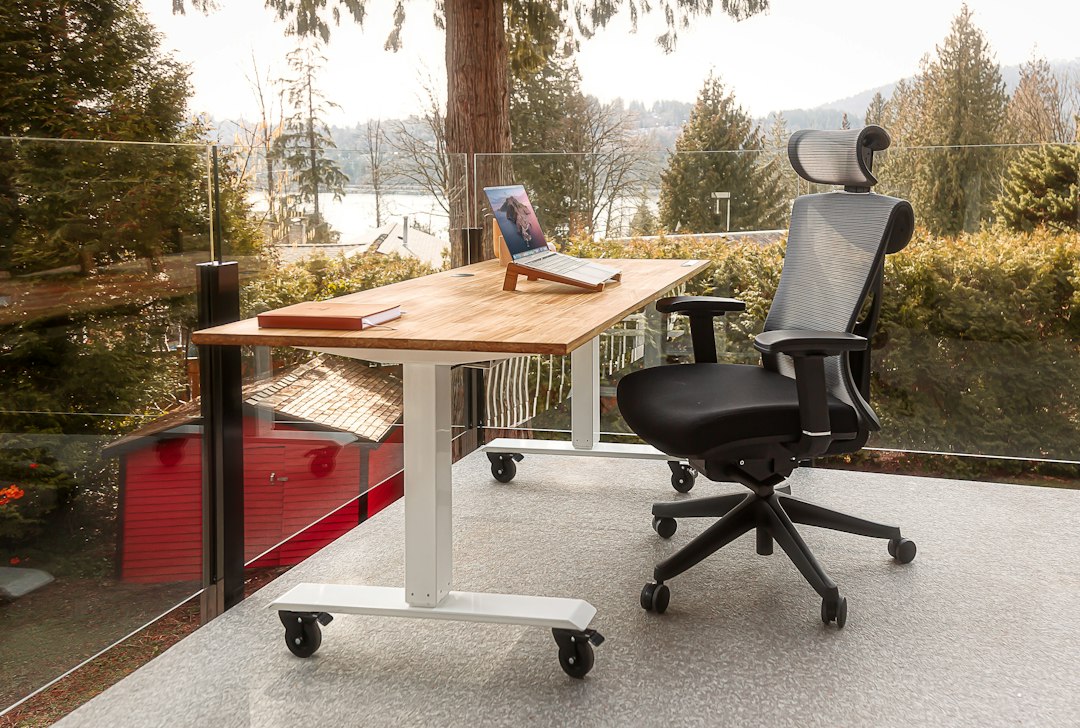
A comfortable workstation should support the person’s actual working habits rather than force them to maintain one rigid position. Screen height, chair support, keyboard placement, and the availability of space to move can all influence comfort during extended periods of desk work.
Regularly changing position is also important. Alternating between sitting, standing, and walking when practical can help reduce the demands associated with remaining in one posture for too long. Short movement breaks can be incorporated into meetings, study sessions, and other desk-based activities.
These recommendations should remain flexible. Ergonomic arrangements depend on body proportions, job responsibilities, equipment availability, and individual comfort.
Chiropractic Perspectives on Occupational Comfort
Musculoskeletal assessments can help identify movement limitations or physical complaints that interfere with work and daily responsibilities. Depending on the circumstances, a healthcare professional may consider joint mobility, muscular function, symptom patterns, and activities that aggravate discomfort.
People searching for Dr John Pispidikis Michigan may be exploring chiropractic care and professional approaches to musculoskeletal health in Michigan. When evaluating a practitioner, individuals can ask how their work habits will be considered during assessment and whether recommendations will be tailored to their specific activities.
An individualized approach may include movement education, suitable exercises, or advice about modifying demanding tasks. Manual treatment may also be considered for selected conditions when clinically appropriate. Recommendations should be based on the assessment rather than a standard routine applied to everyone.
Managing Repetitive Tasks and Physical Demands
Ergonomic considerations extend beyond office work. Healthcare workers, tradespeople, drivers, warehouse employees, and individuals performing household responsibilities may encounter repeated movements or prolonged physical demands.
Varying tasks where possible, using appropriate equipment, and planning periods of recovery can help make workloads more manageable. Lifting techniques should reflect the object’s weight, the available space, and the person’s physical capacity. When a task requires more force than someone can safely manage, assistance or mechanical equipment may be appropriate.
Recognizing physical limits is a practical part of maintaining a sustainable routine. Discomfort that persists despite adjustments should be assessed rather than attributed automatically to posture or repetitive movement.
Turning Awareness Into Sustainable Change
Improving ergonomics does not require redesigning an entire environment at once. Individuals can begin by identifying one activity that regularly feels uncomfortable and considering what could make it easier.
A person might reposition a frequently used monitor, organize tools within comfortable reach, or schedule brief movement breaks during long work periods. Reviewing these changes over time can help determine whether they improve comfort and fit naturally into the daily routine.
Physical activity, adequate sleep, and appropriate recovery can complement these adjustments. Together, these habits support general well-being without promising to prevent every musculoskeletal problem.
Conclusion
Ergonomics provides a practical framework for understanding how daily environments influence movement, physical demands, and comfort. Thoughtful workspace arrangements, varied movement, appropriate equipment, and individualized professional guidance can help people manage their routines more effectively. Dr john Pispidikis represents a chiropractic perspective within the wider discussion of musculoskeletal assessment and everyday physical function. By identifying environmental challenges and making realistic adjustments, individuals can develop more comfortable habits that support their personal and professional activities.